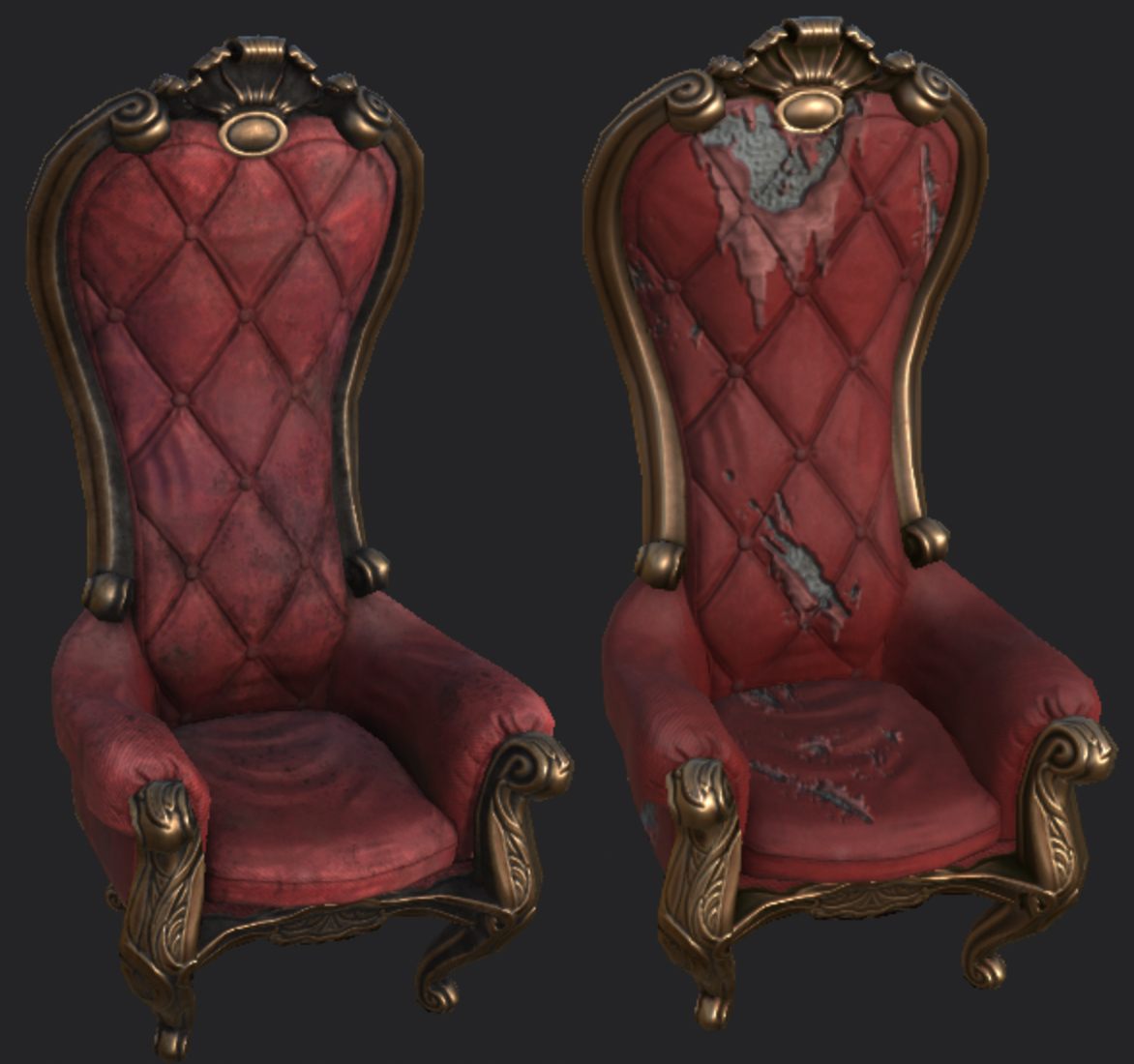
Environment art, 40 hours a week.
In August 2020, I joined Bonfire as an external contractor on a fixed 40-hour week, producing environment art for their then-unannounced game, now revealed as Arkheron.
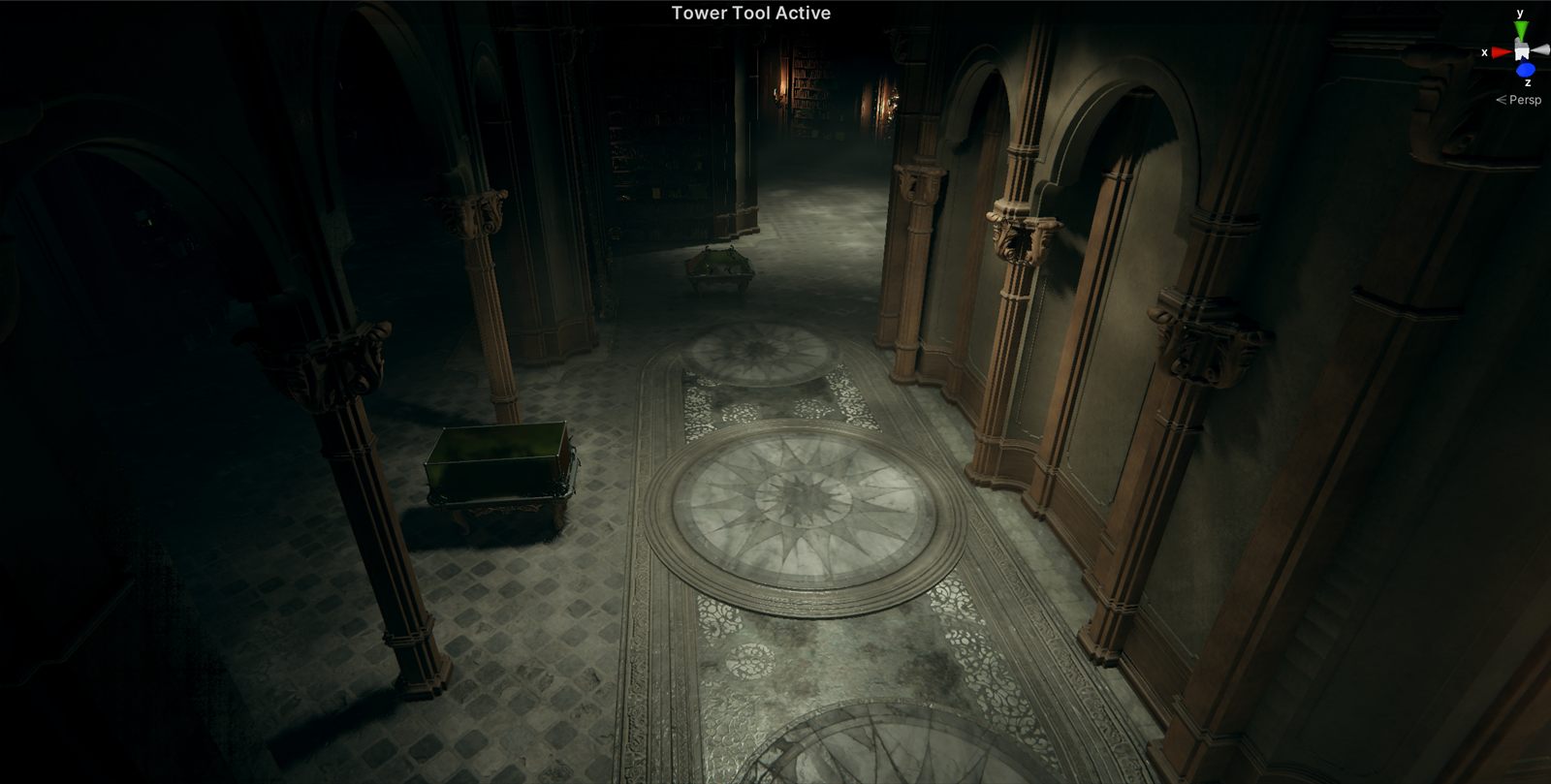
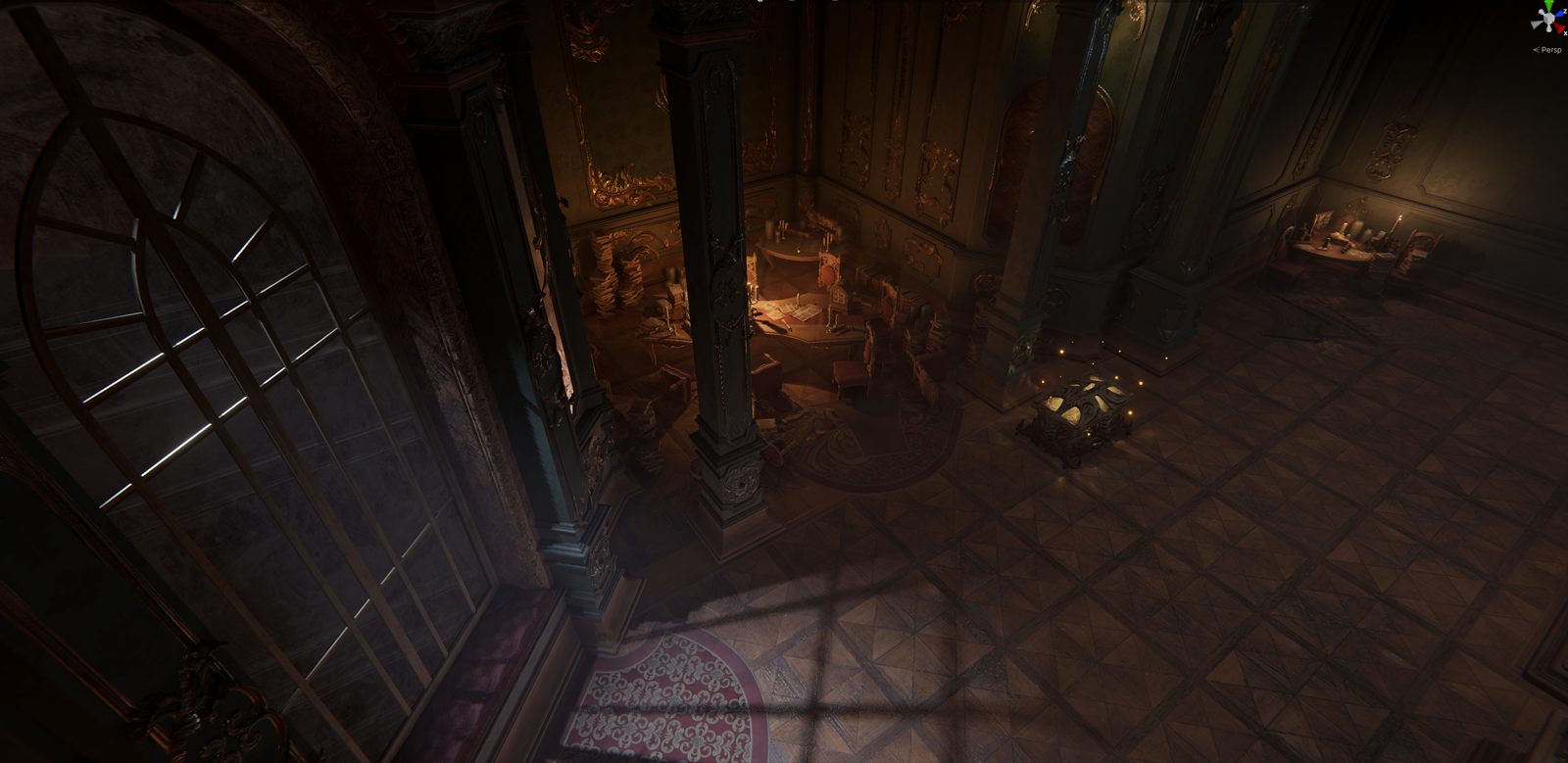
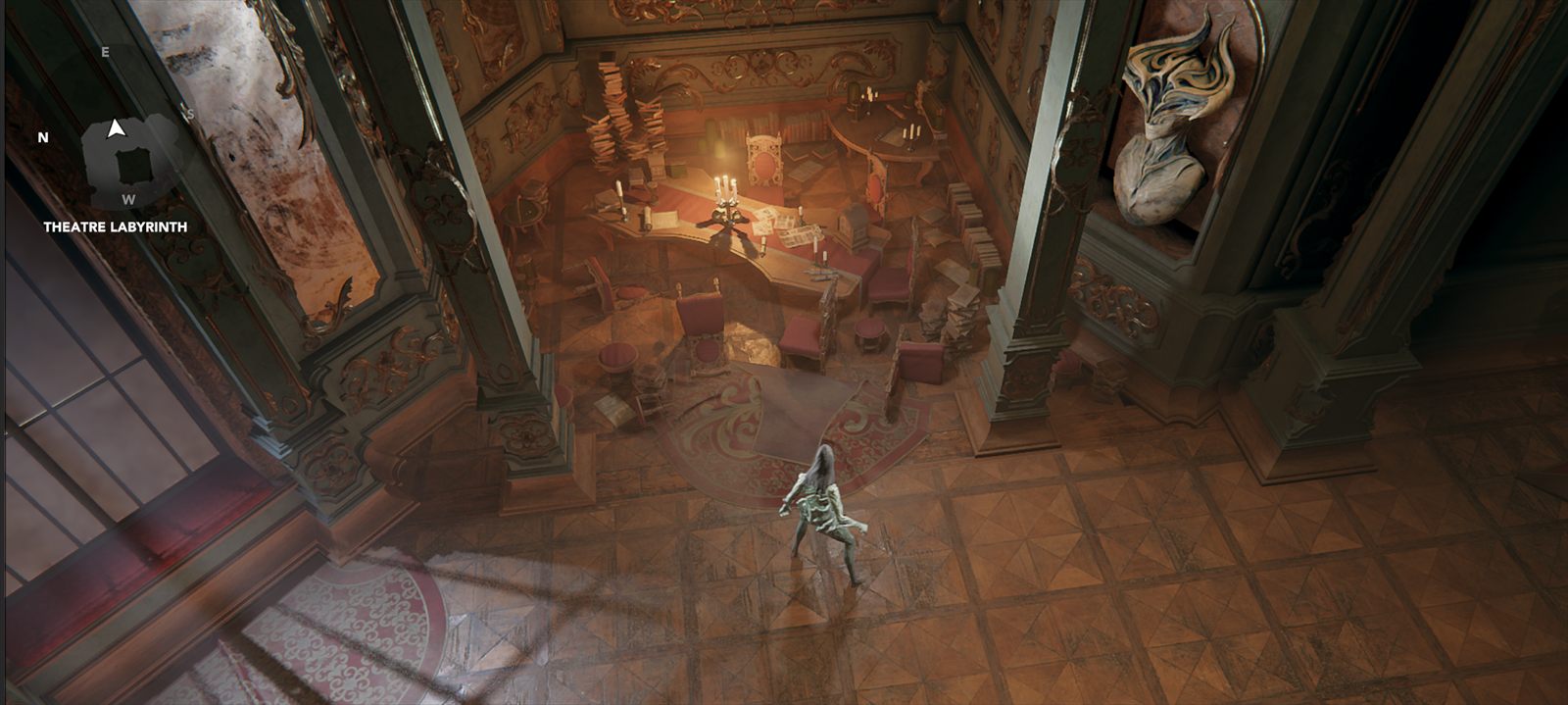
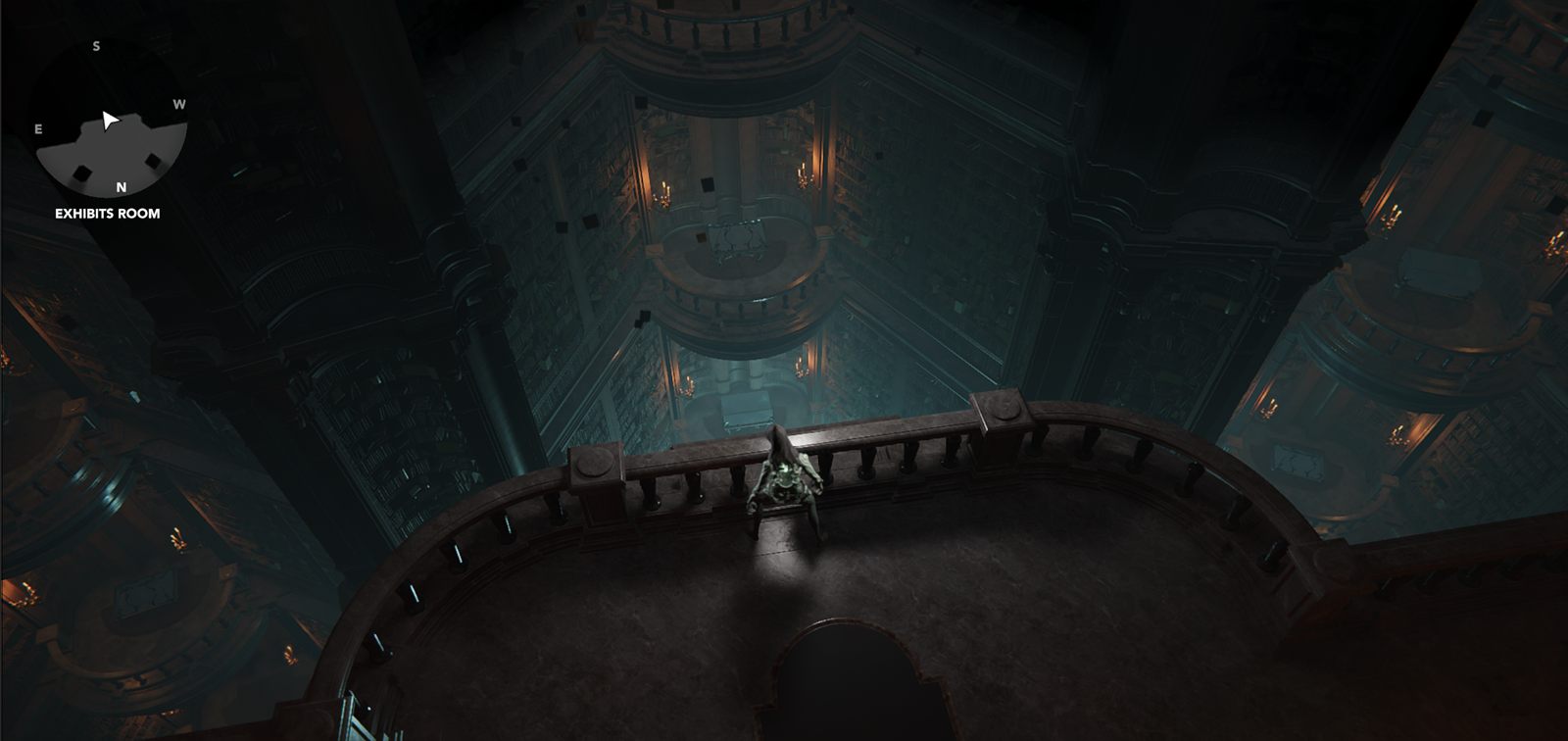
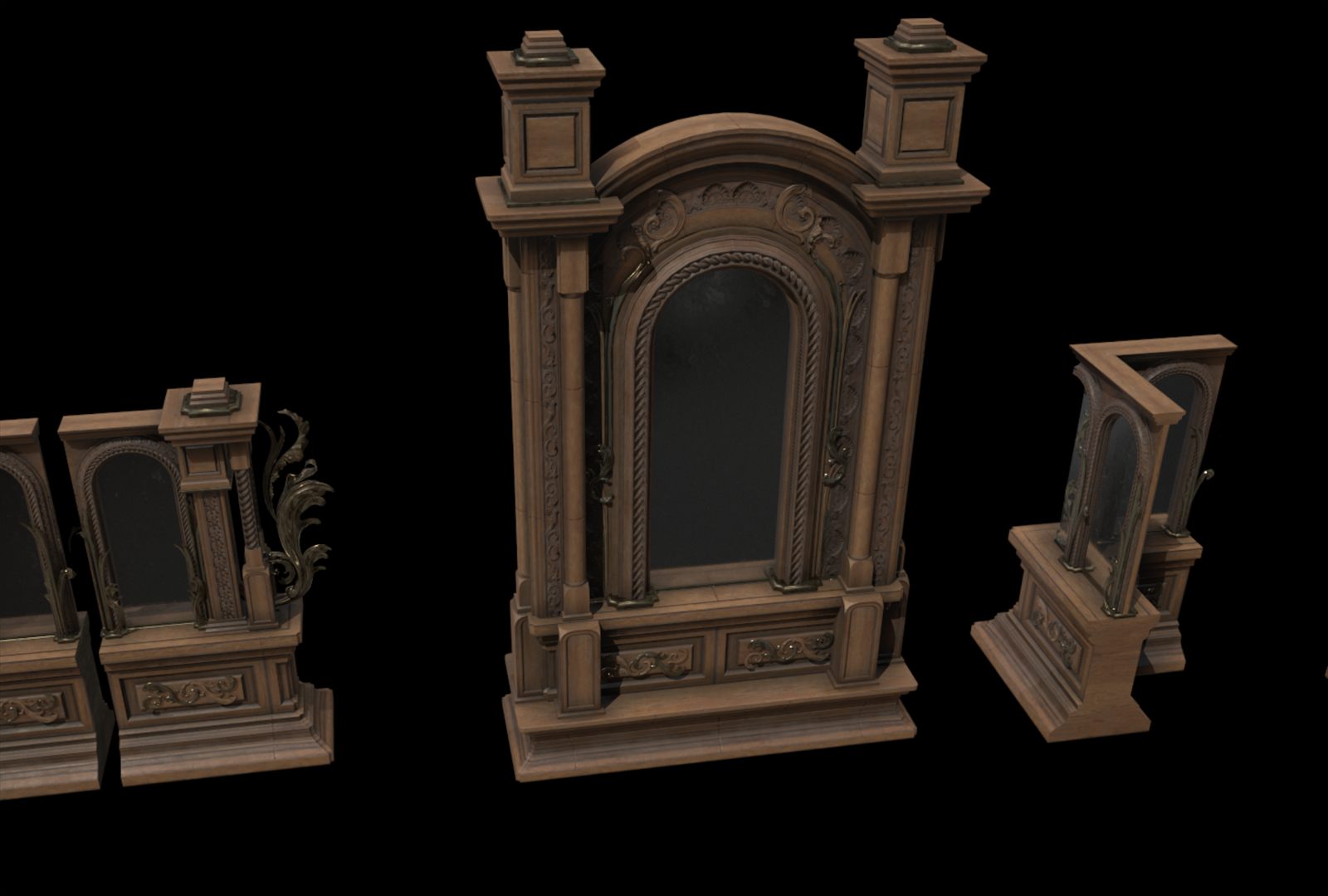
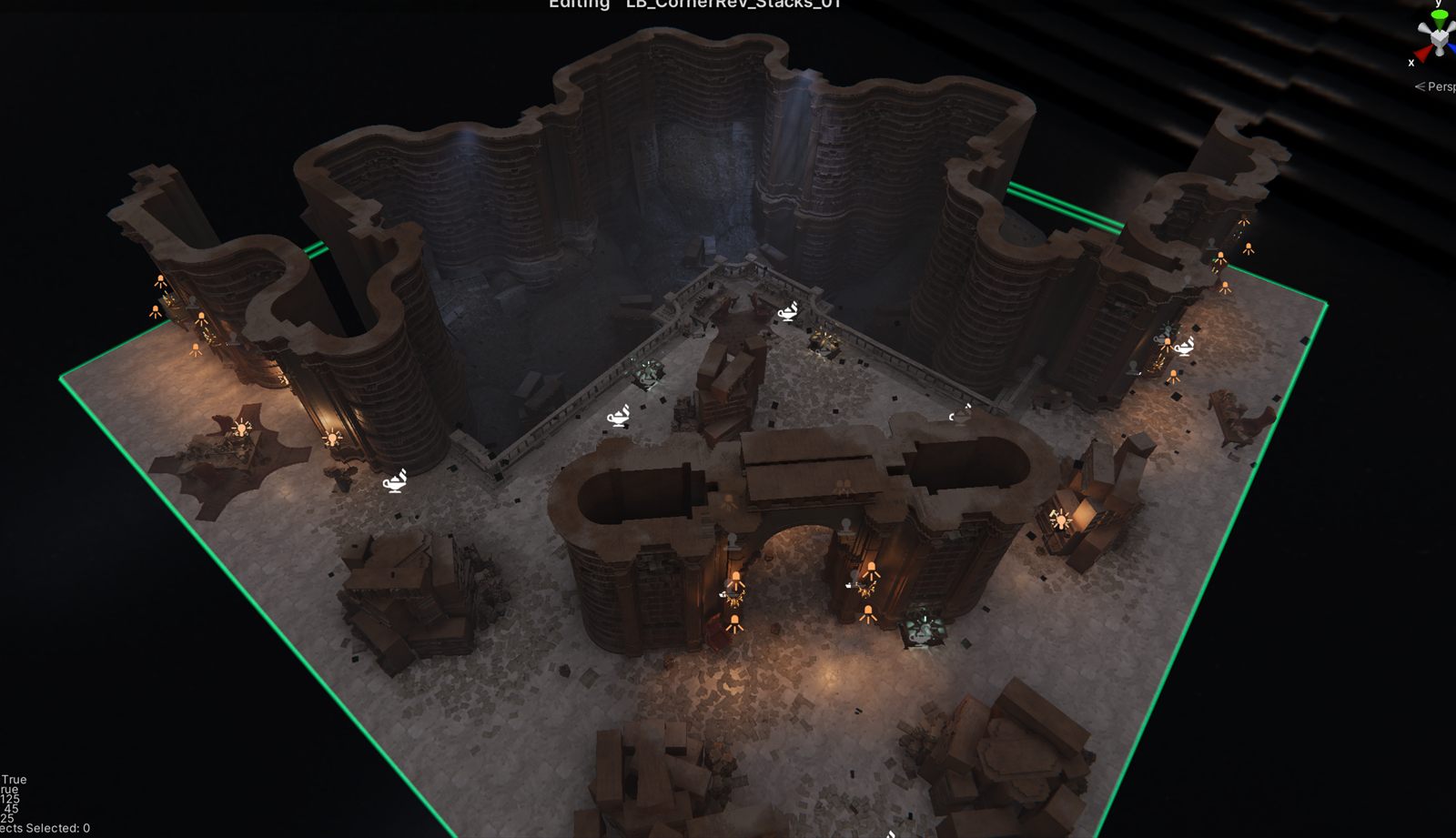
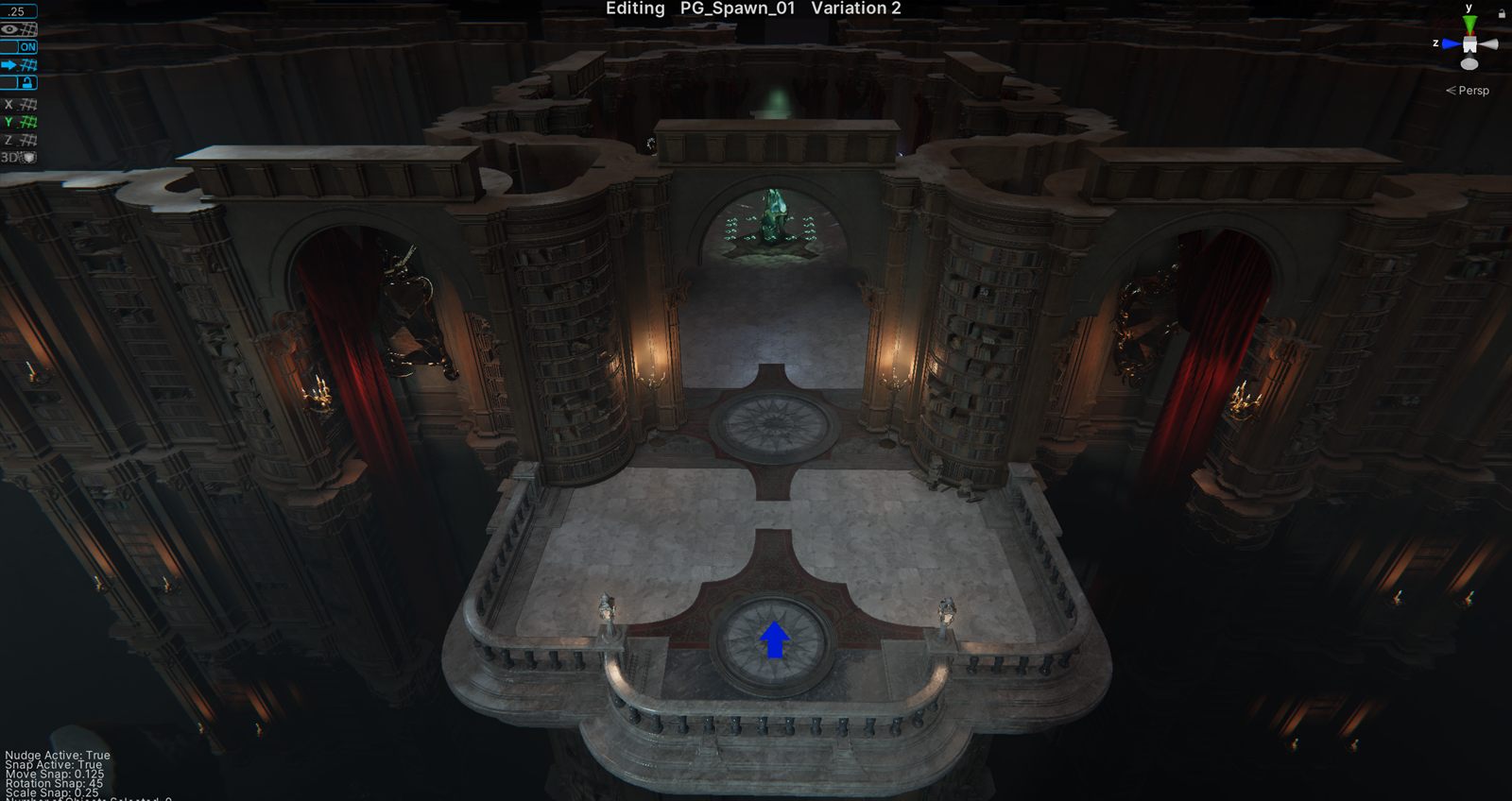
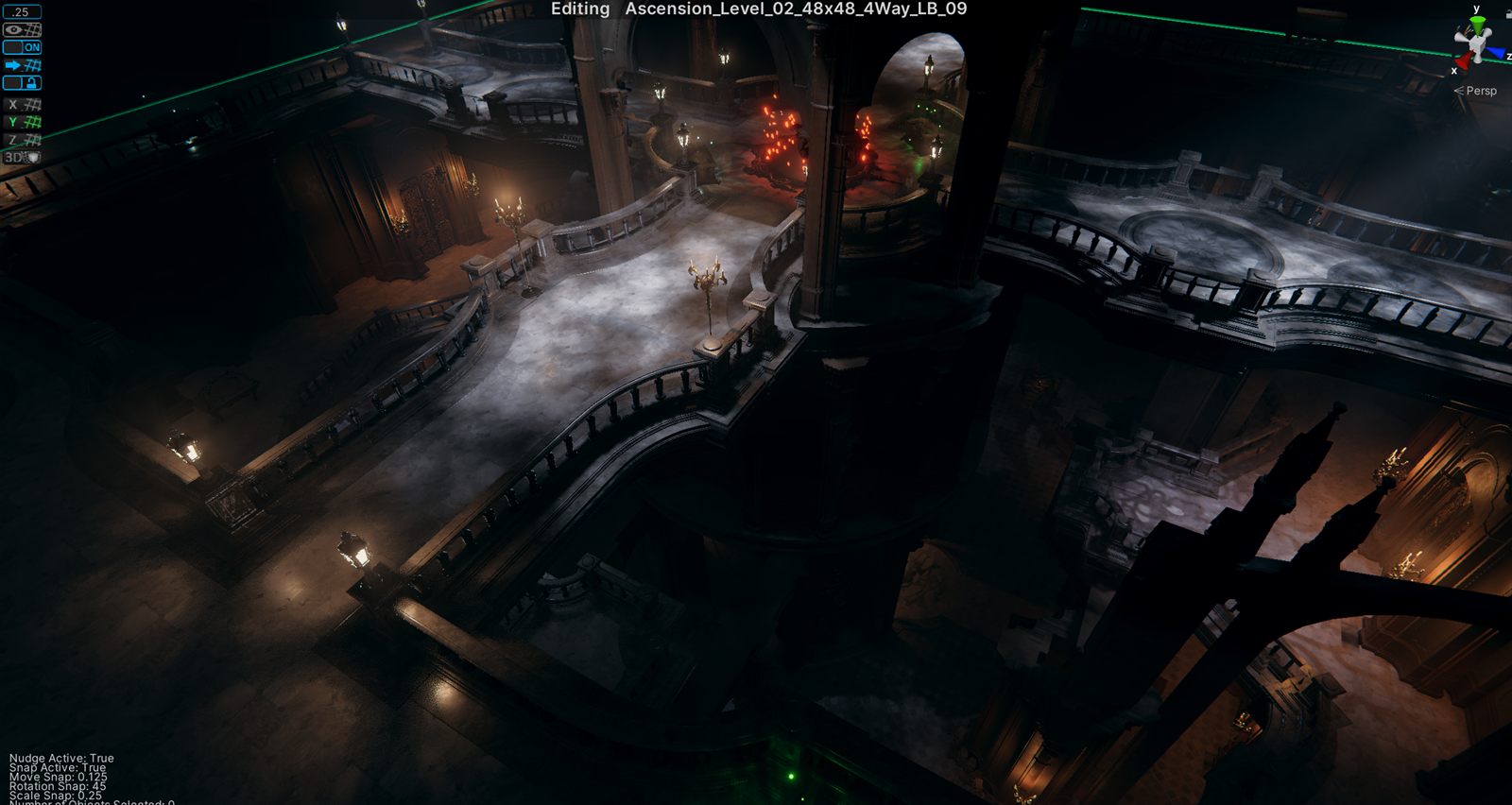
The game's main play space was built like a board game: swappable level tiles that combined to form the playable "board." Those tiles were my starting point.
Building the board.
The team's design called for every tile to connect seamlessly on all four sides to any other tile. The game wasn't procedurally generated, so players would never benefit from that flexibility. It was a handicap the project had placed on itself, and it made every tile harder to build. I worked within it, setting up each tile to read clearly and navigate well in any arrangement.
- Designed and built dozens of original level tiles, set up to maximize readability and navigation however the board was assembled.
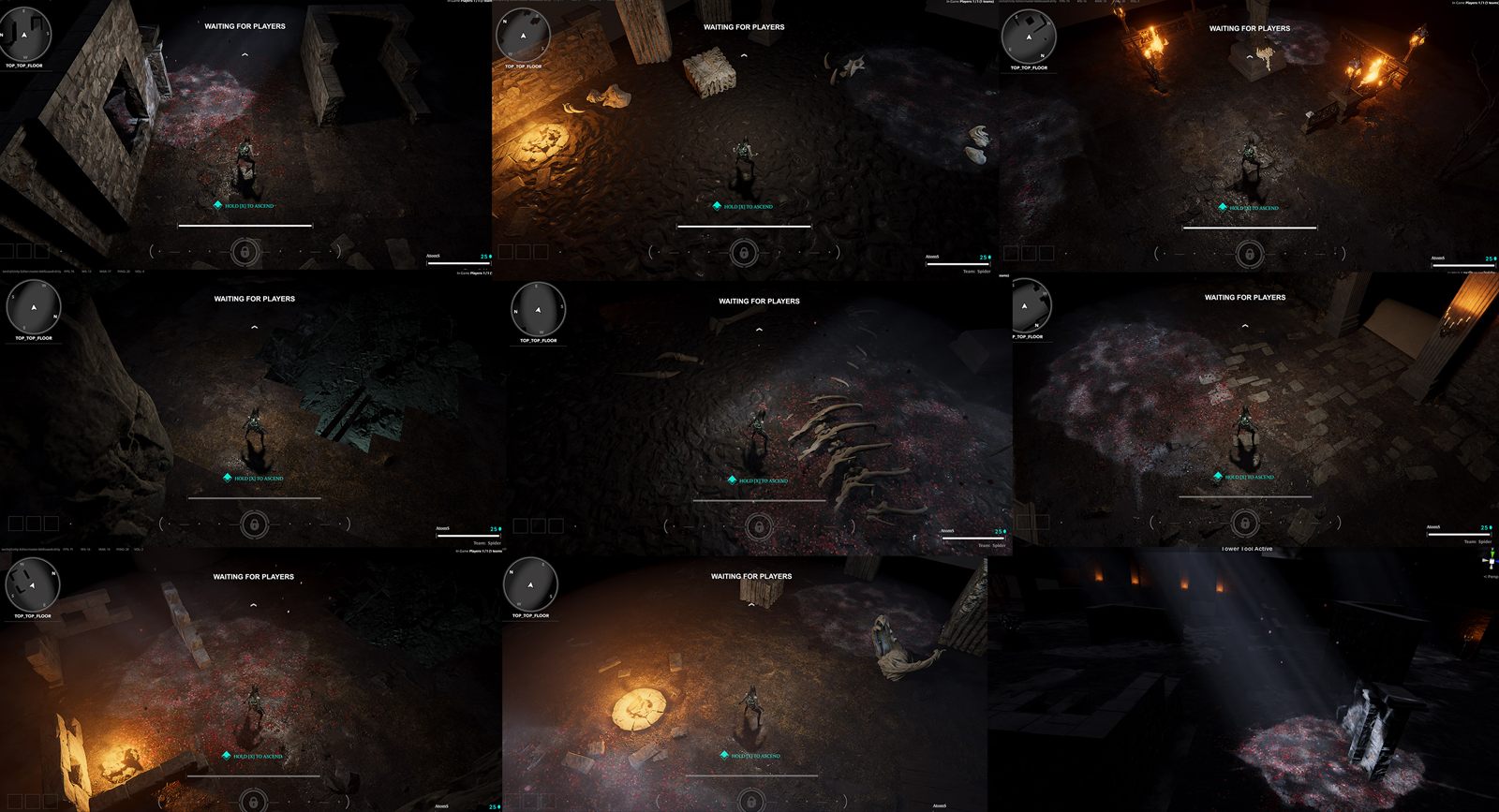
- Prototyped the starting template for the game's tutorial area.
- Gradually took on a large share of the environment work's process, prototyping better ways to build environments, not just the environments themselves.
Baroque detail, real-time budget.
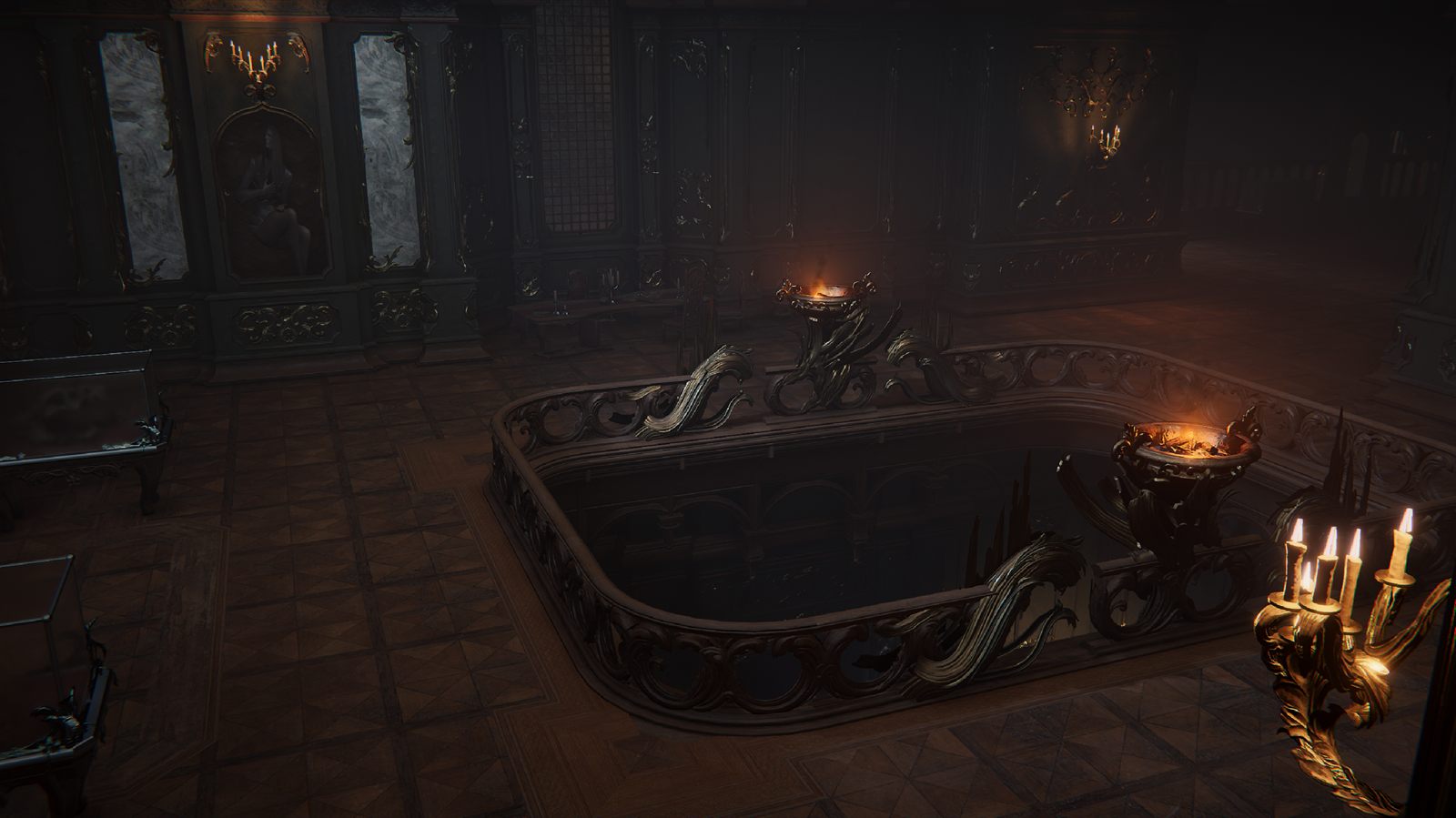
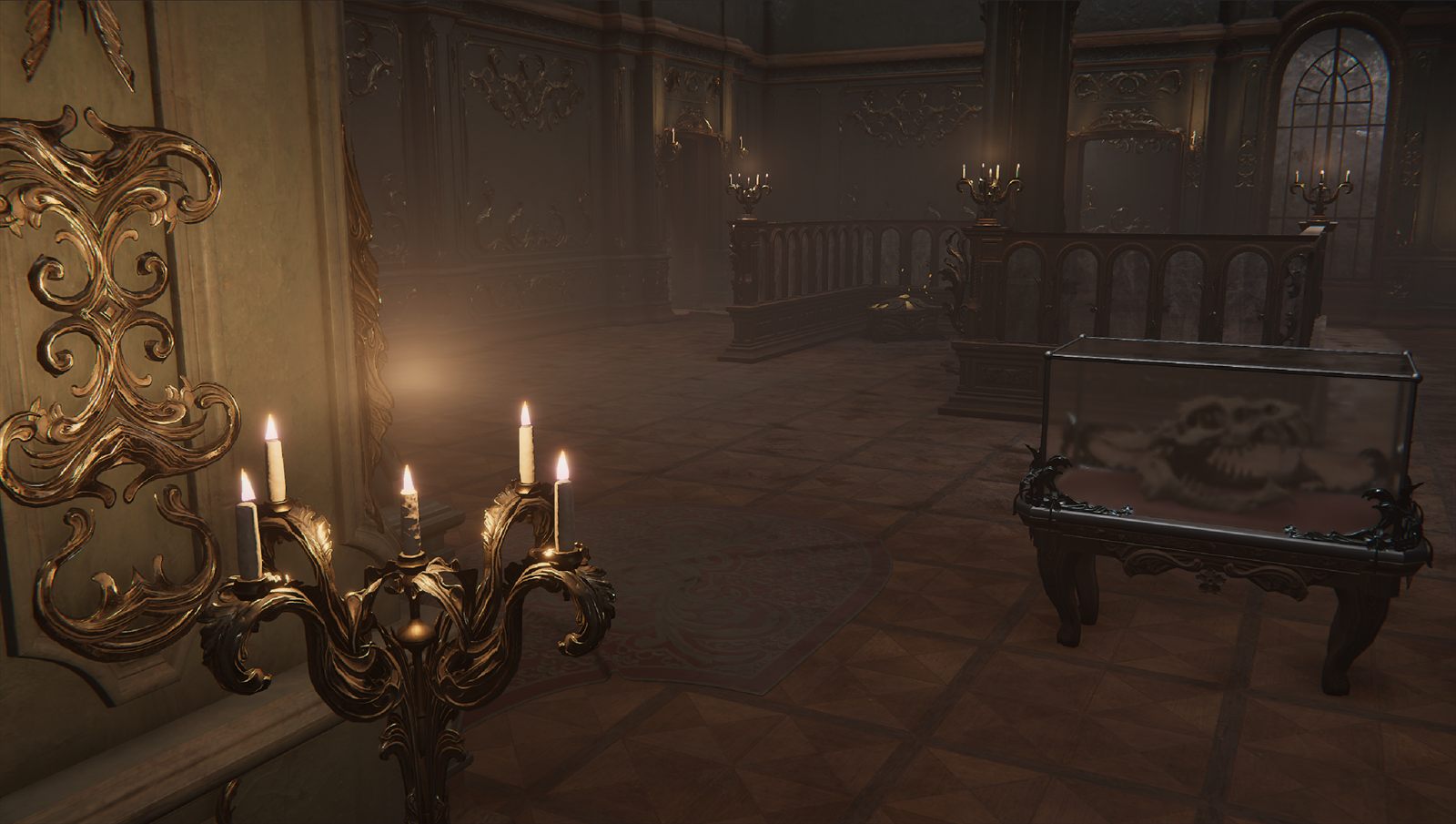
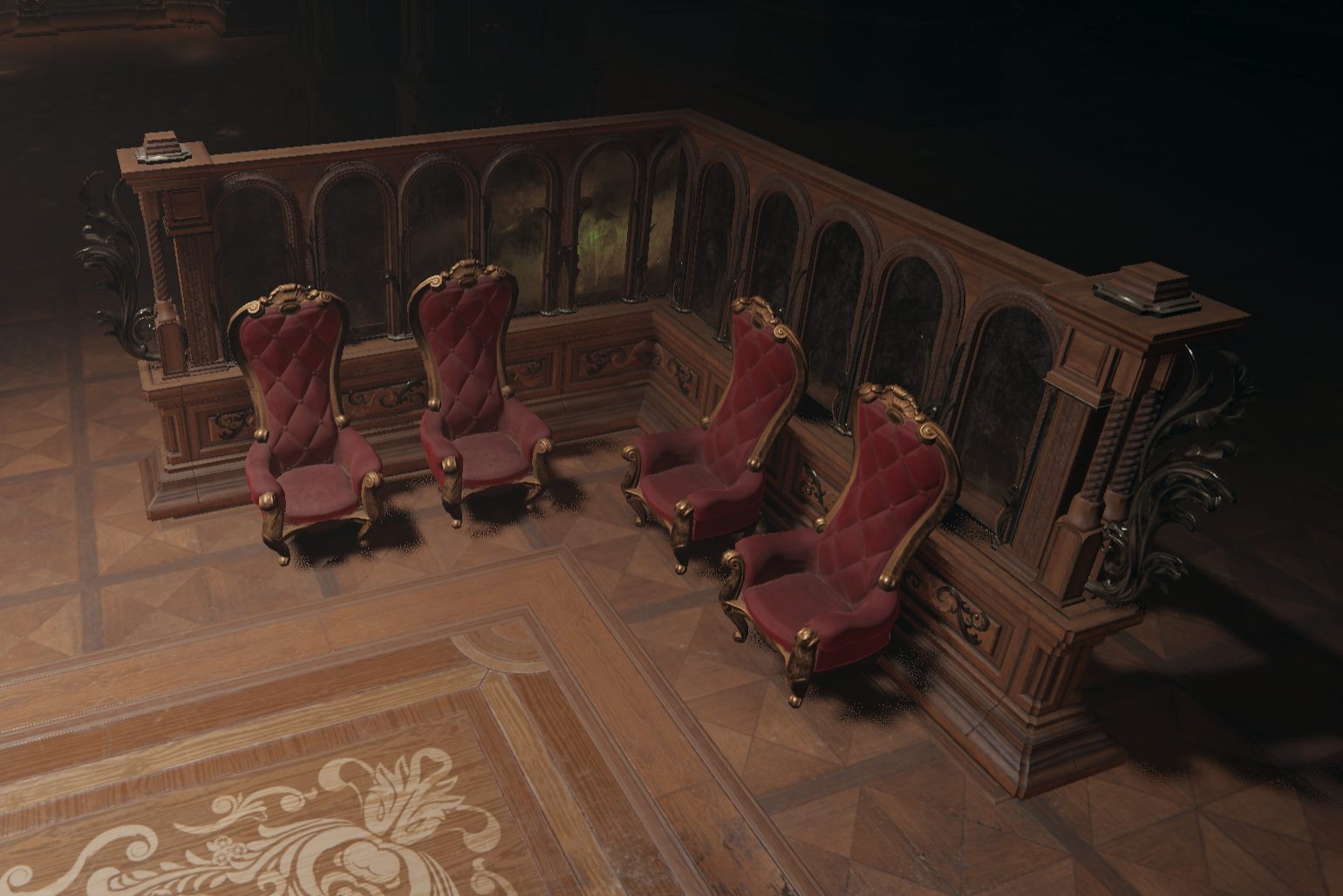
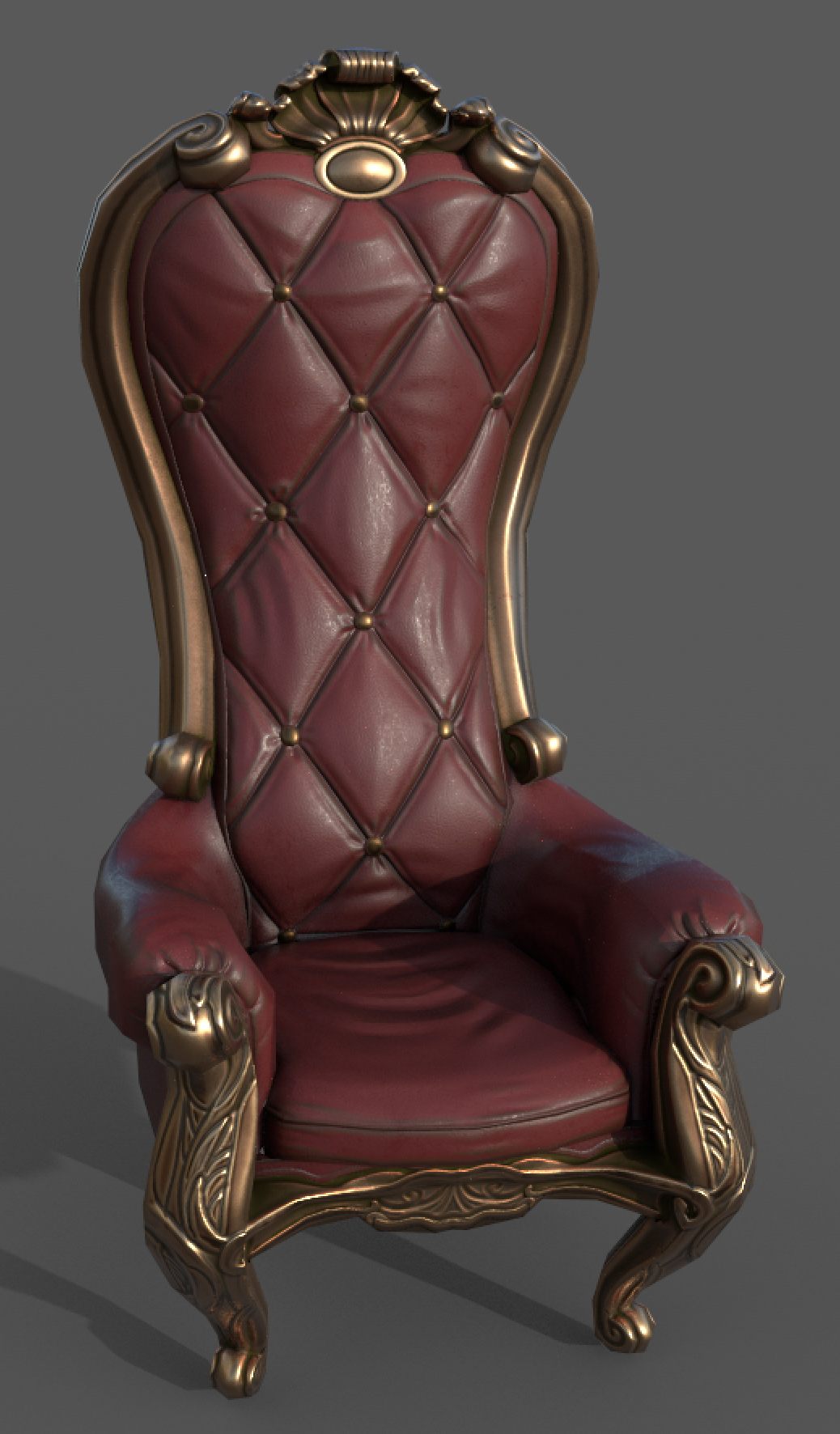
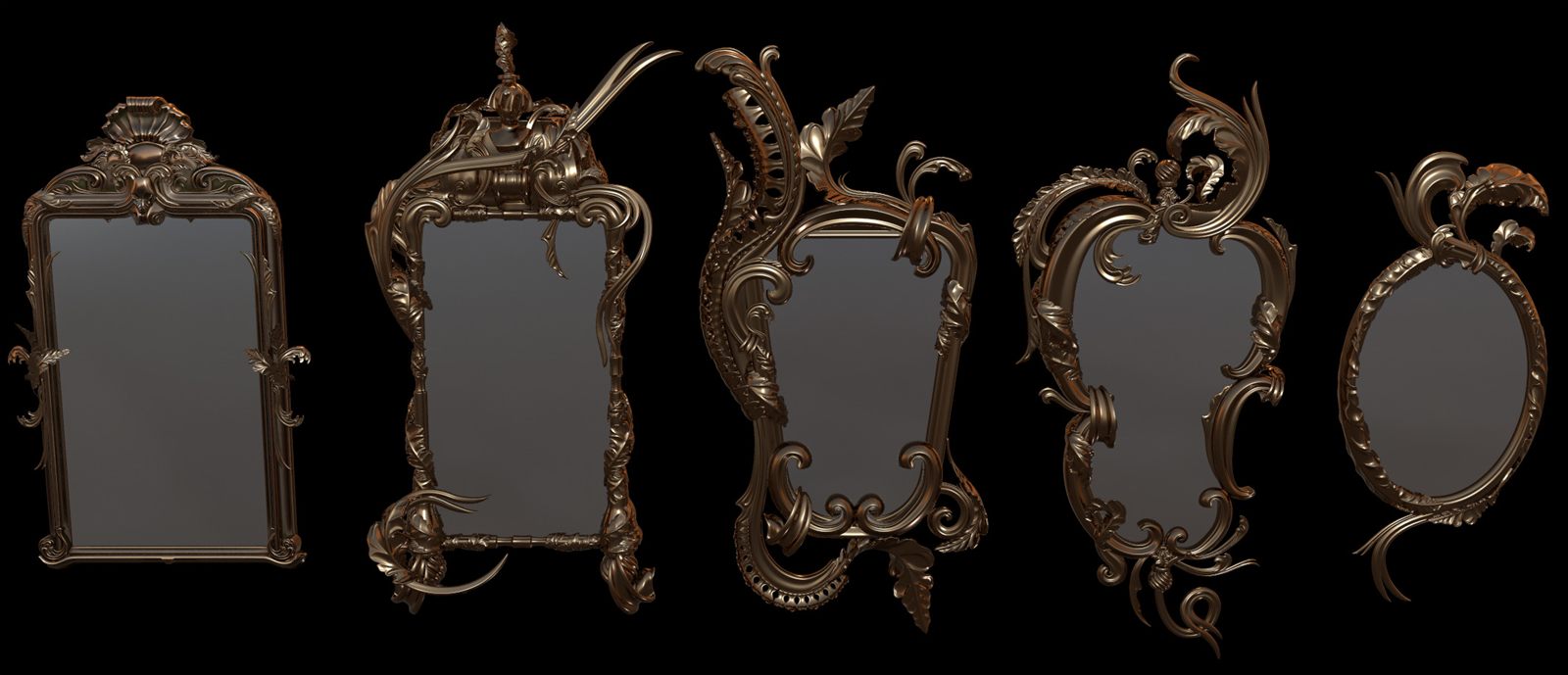
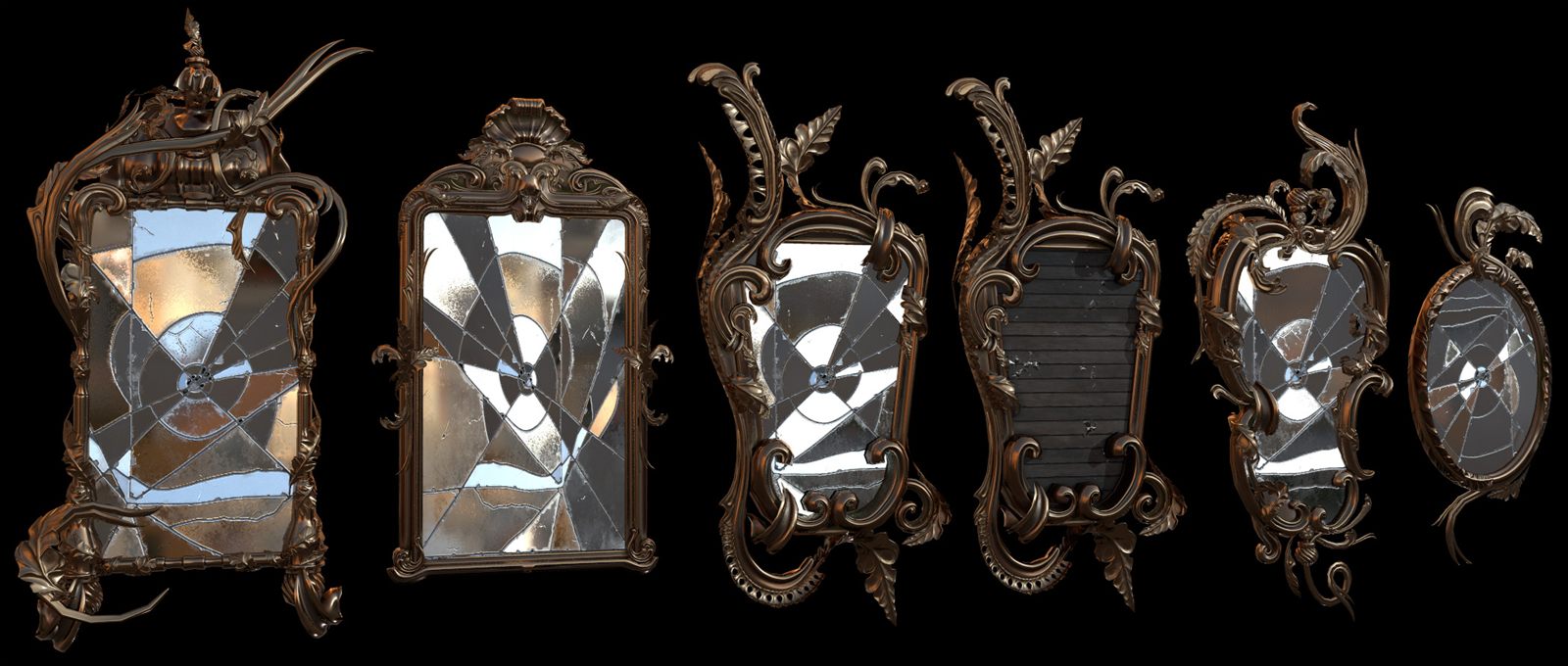
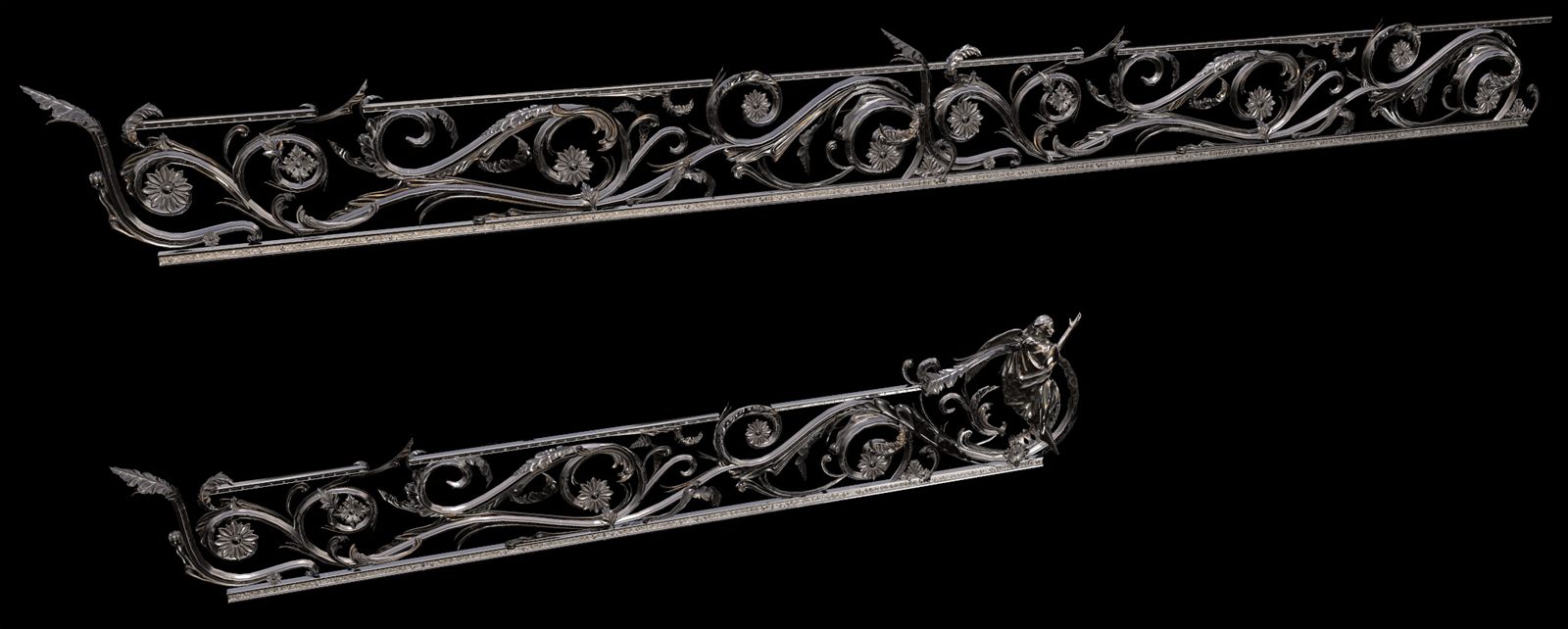
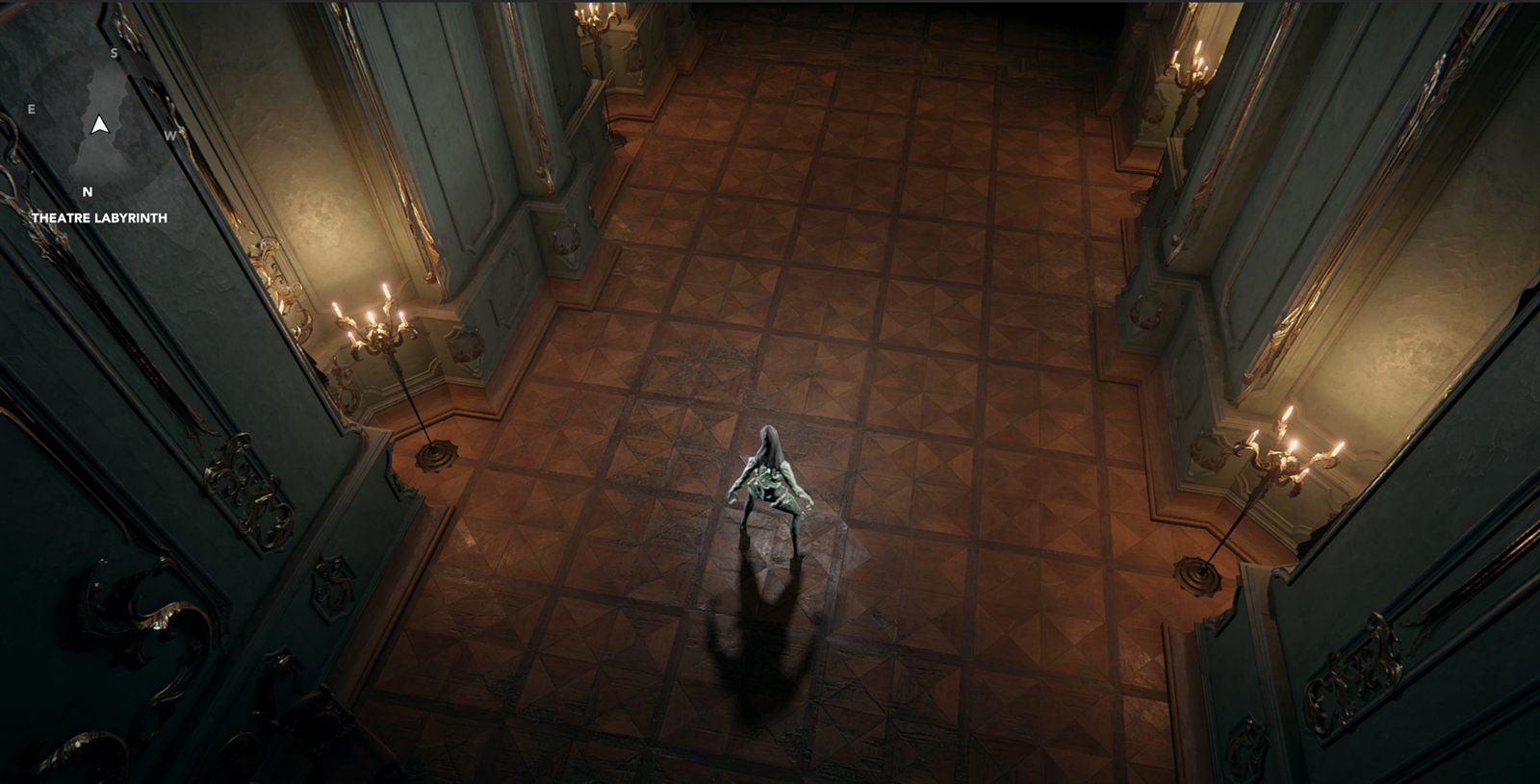
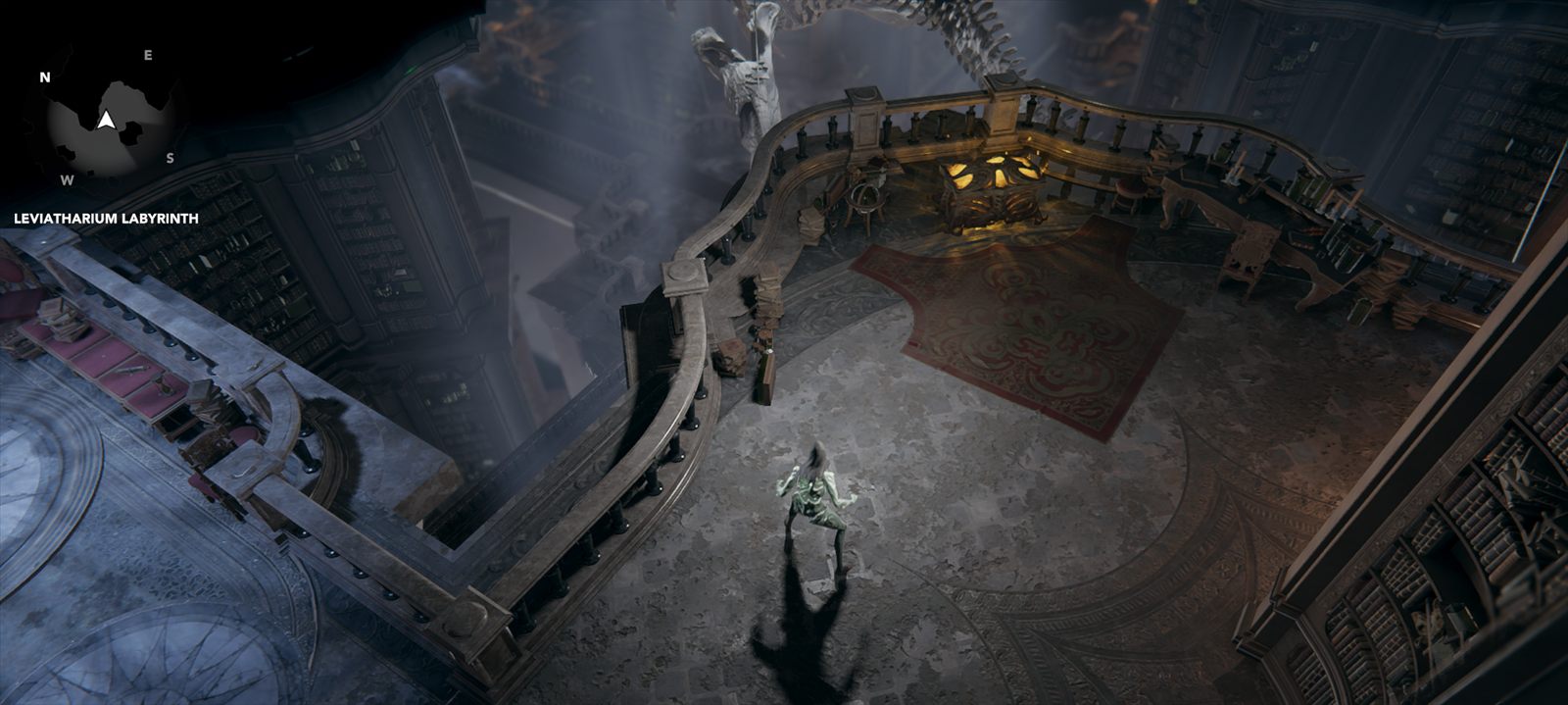
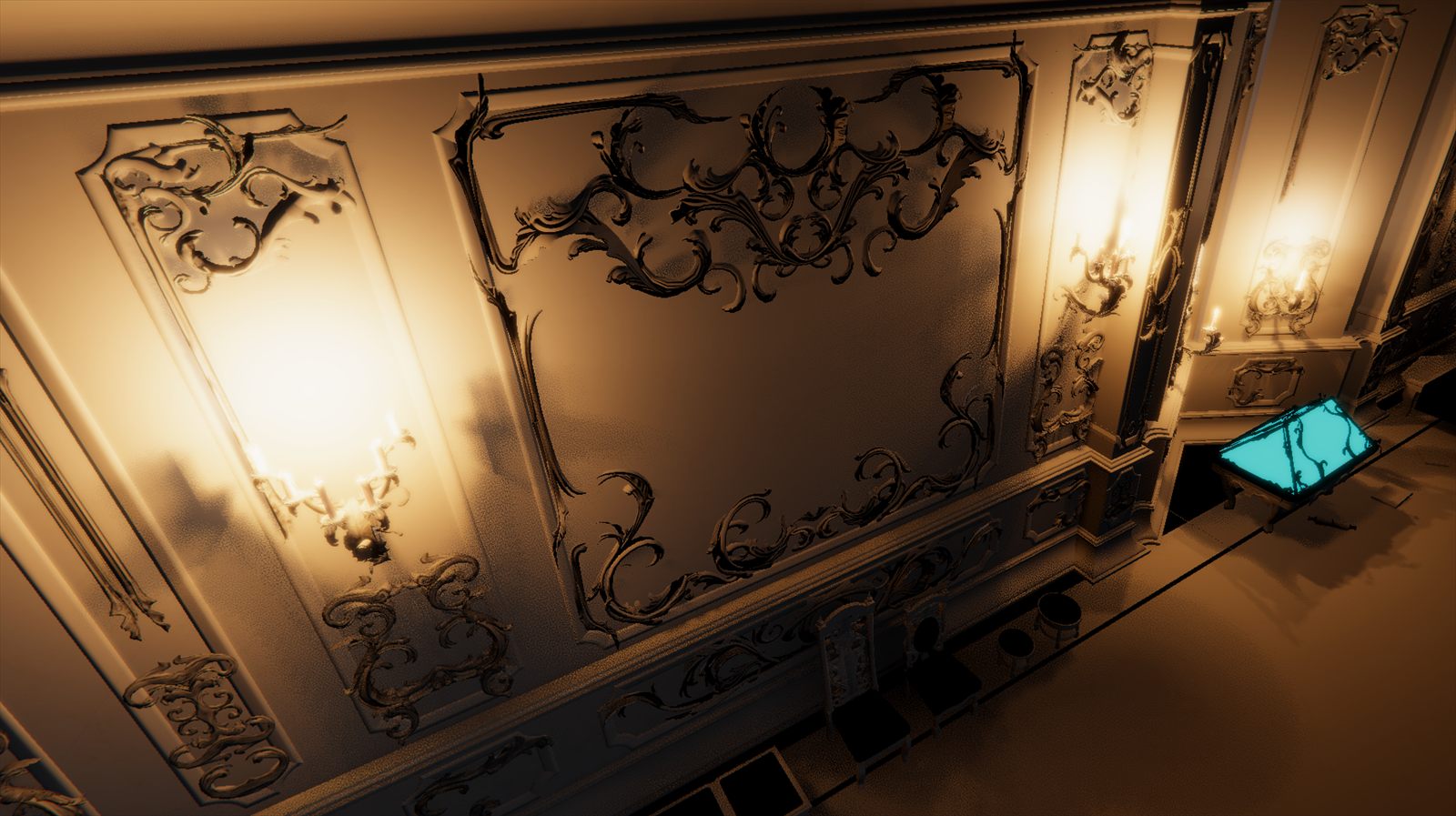
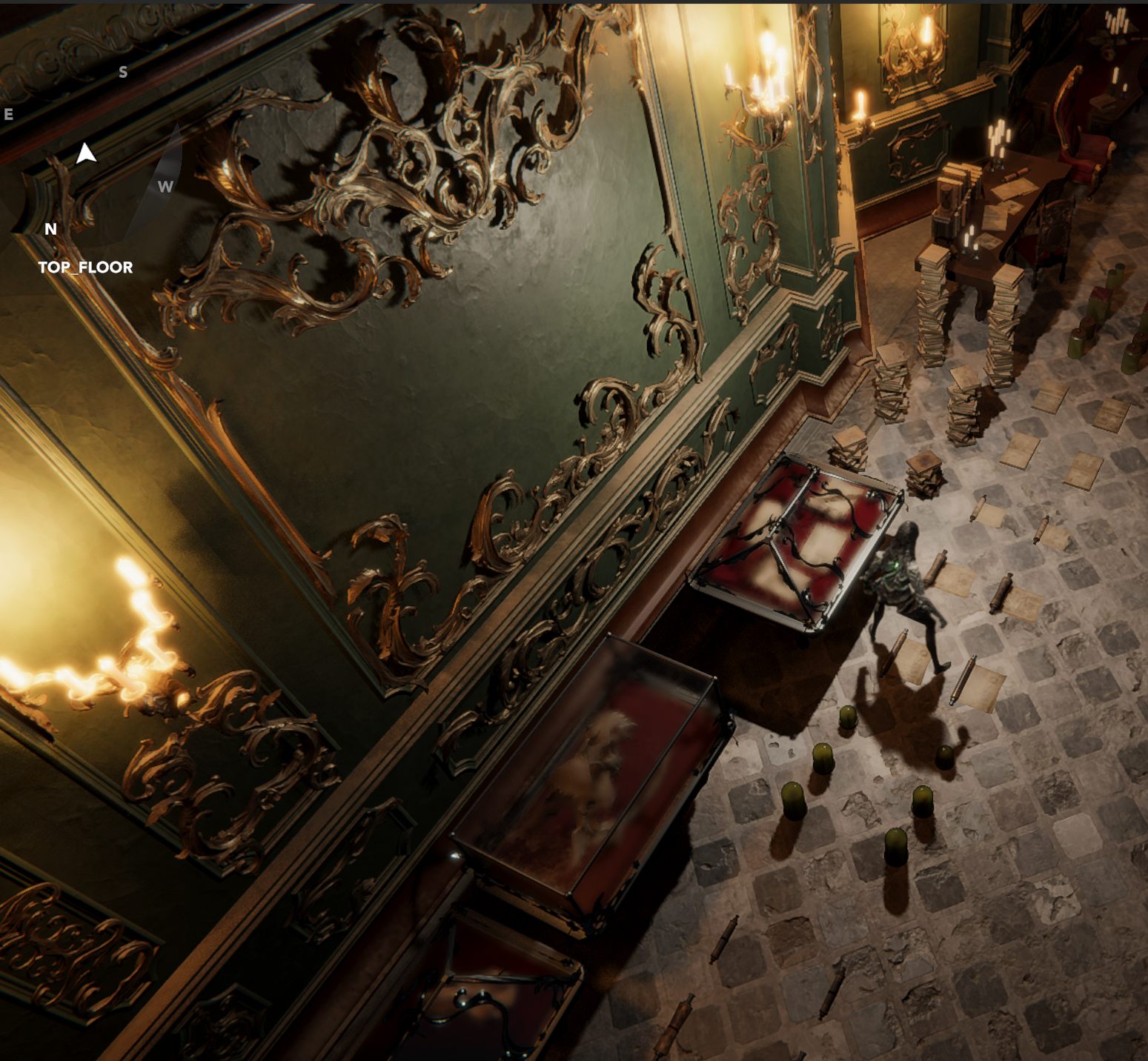
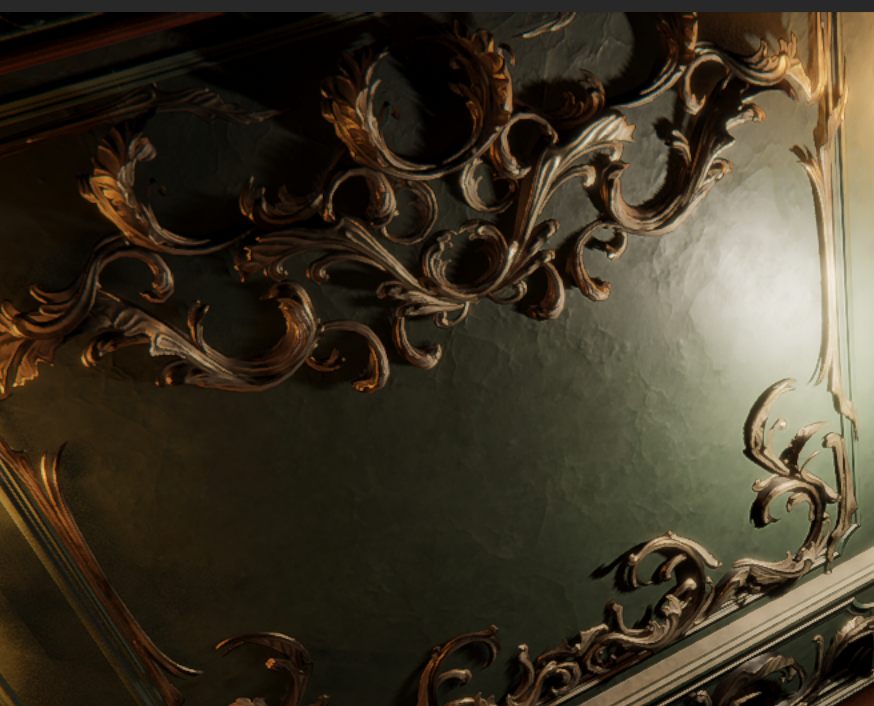
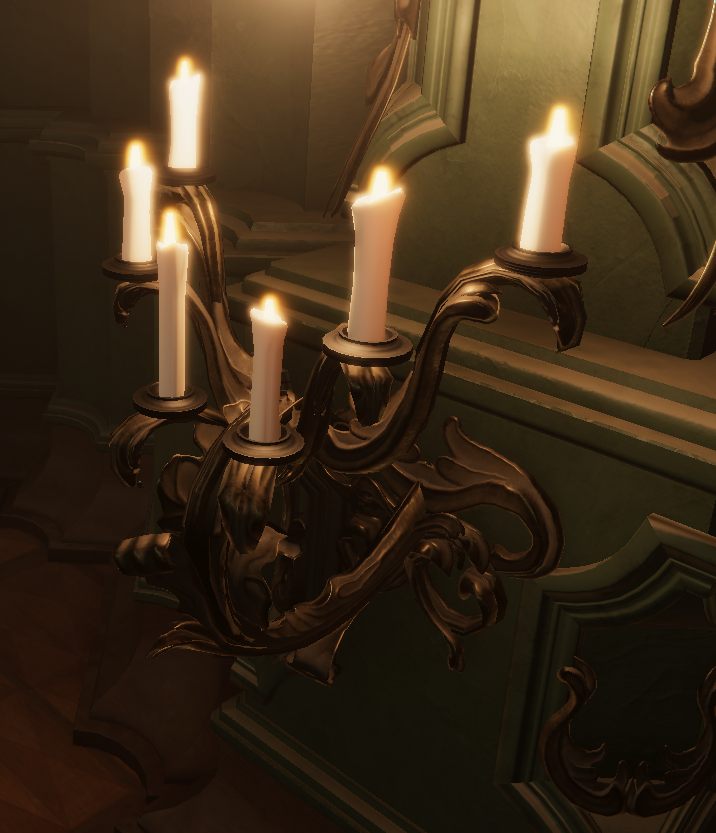
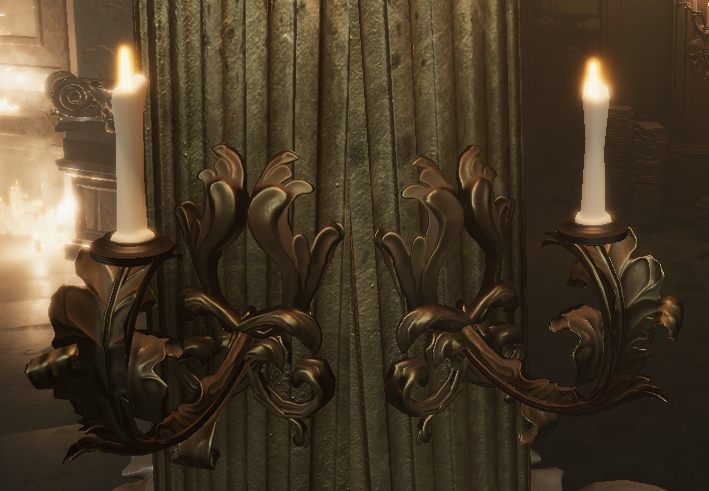
Arkheron's visual style leans on intensely detailed baroque and rococo scrollwork. The studio hadn't found a way to get that level of ornament on screen while still meeting both its visual bar and its performance budget.
I developed a card-based mesh system for the scrollwork that met both, solving a problem the team had been unable to crack.
An art-direction goal and a performance budget that couldn't coexist, until they could.
Art waiting on answers.
Environment art can only get so far ahead of design. As the tiles matured, the limiting factor stopped being art and became a set of difficult layout and level design questions that had been deferred.
So I started pushing on them. I brought the questions to design and asked for answers the environment work depended on. Ultimately I prototyped a complete redesign of the game's play space and put it forward as a formal design proposal.
The proposal wasn't adopted, because of wider disagreements between design and the rest of the studio. It still did what a good proposal should: it gave the team a concrete answer to react to on questions that had been left open.
On to the next build.
I wrapped up the engagement in August 2022, when I raised a $3.4M seed round to take my own studio, Atom Switch, full-time.